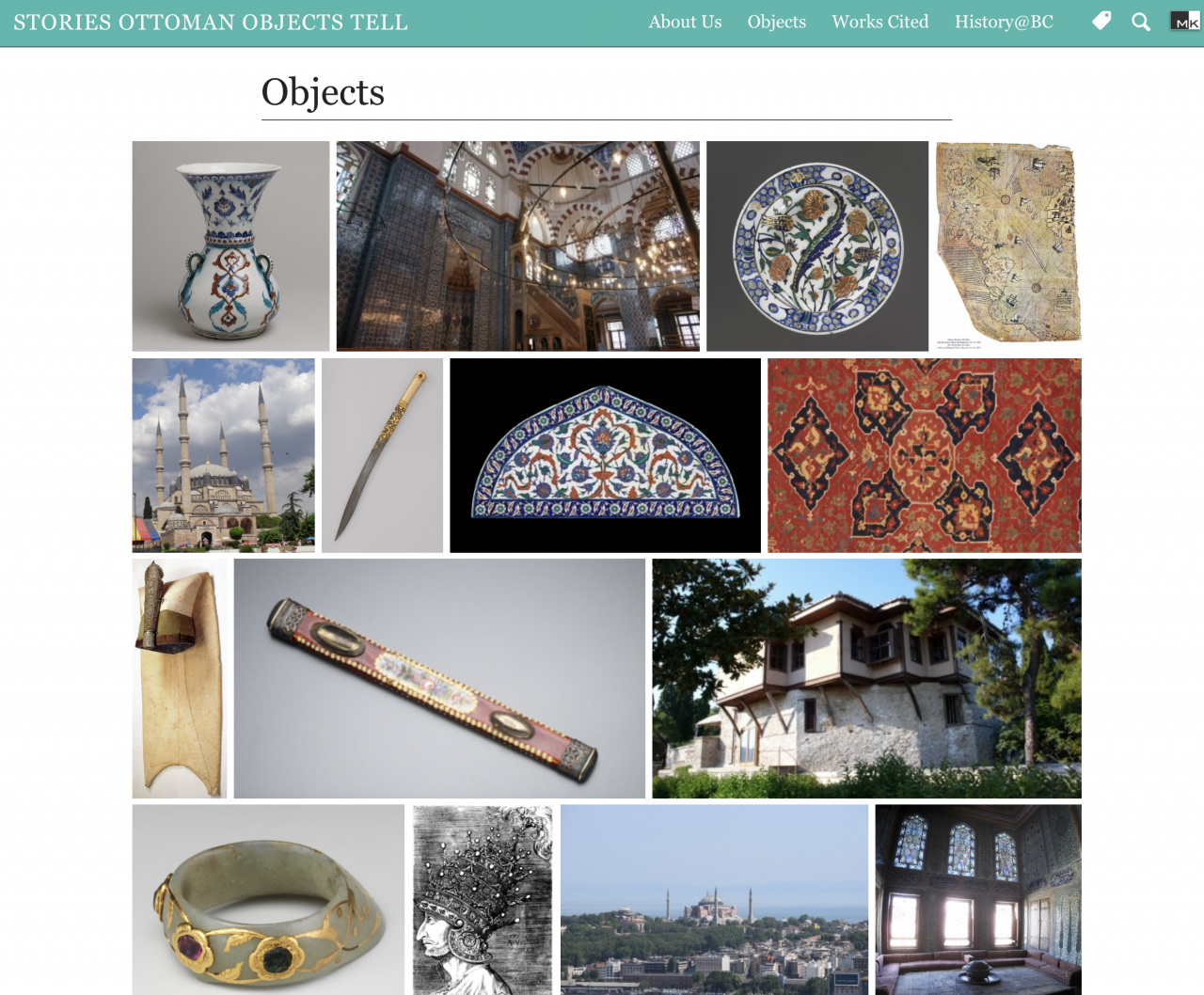
An open-source multimedia timeline platform built for Boston College that lets educators and journalists construct interactive narratives from video, images, documents, and text.
Mediakron was dreamed up in the ed-tech lab at Boston College to create a robust visualization tool for research in the Humanities. The result was a platform used across liberal arts programs for documentary history, journalism courses, and digital humanities projects. It allowed users to create maps, timelines, long form text, image comparisons, annotations - and then endless connect these objects together.
A set of images could be placed on a map, connected to a timeline, and inserted into a long scholarly essay. Users could read the essay, click on an image to read more about the image, and then see it on a map to understand its geographical context. Then the user could scrub a timeline and see where the image was created, its history, and how it's temporarily connected to other images.
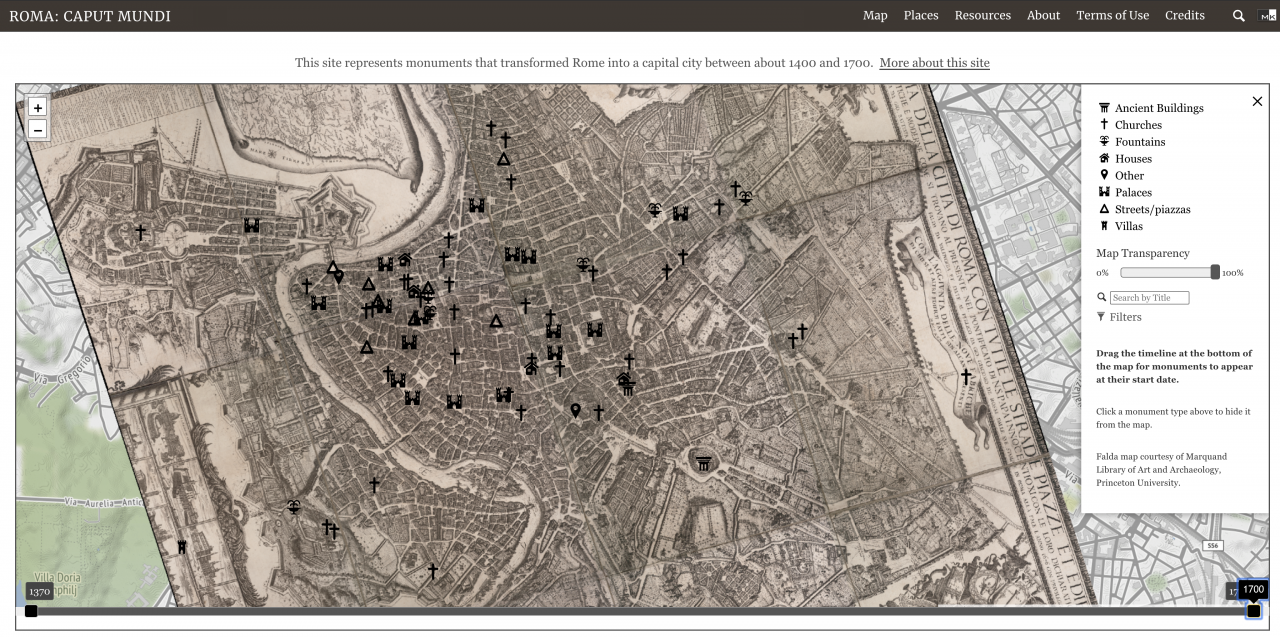
Students and professors found endless clever ways to push the toolchain - scans of 16th century cookbook with annotations connecting the recipes with the history of medicine and gender, a walking tour of Joyce's Ulysses with contemporary and historic Dublin maps, a linked map and timeline showing the rise and fall of the key buildings in Rome.
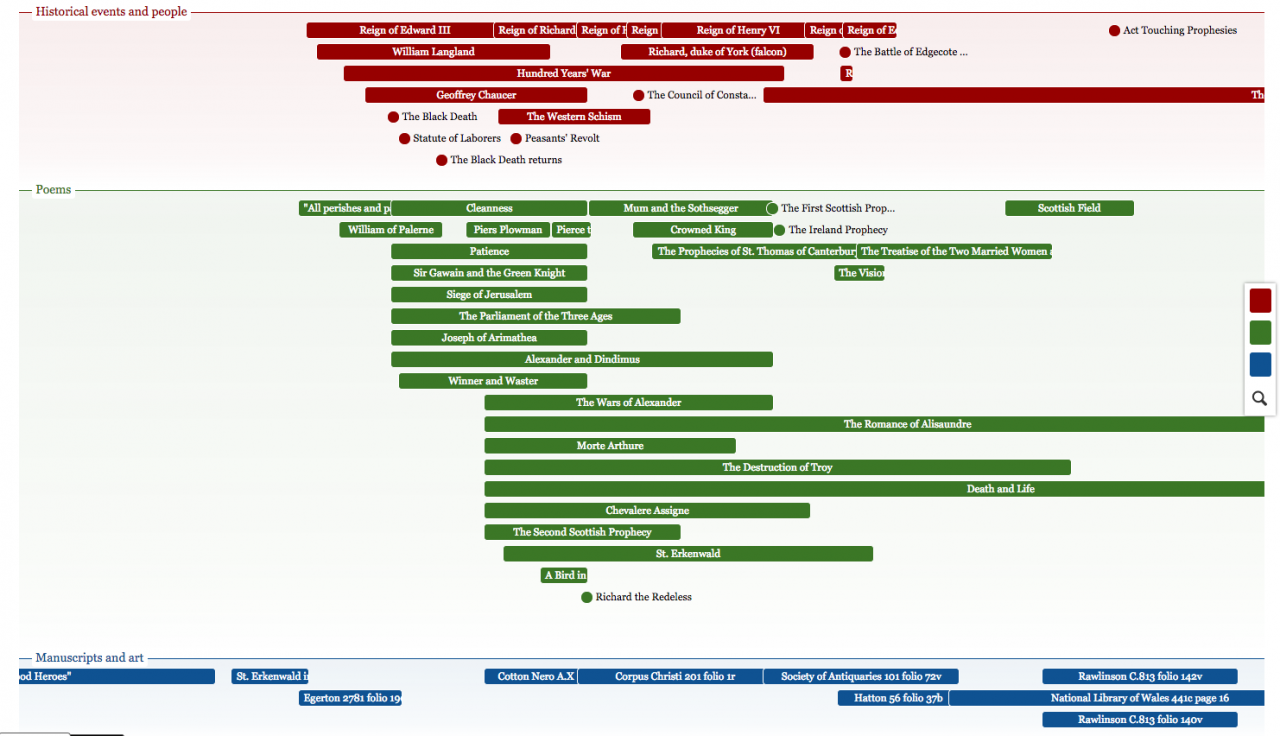
Originally built in Flash, then Drupal 5, and finally as a Syfony/Backbonejs application, I hope to resurrect the core ideas of Mediakron in a new platform that supports cutting edge teaching and research.
Design Challenges
The key design principle is that everything is endlessly relatable to every other thing. Every item on a Mediakron site could be connected, related, or embedded in any context. Mediakron supported 4 base items - Images, Videos, Audio, Texts - and 7 context types - Maps, Timelines, Stories, Topics.
Fundamentally our goal was give people the power to create things we couldn't anticipate.